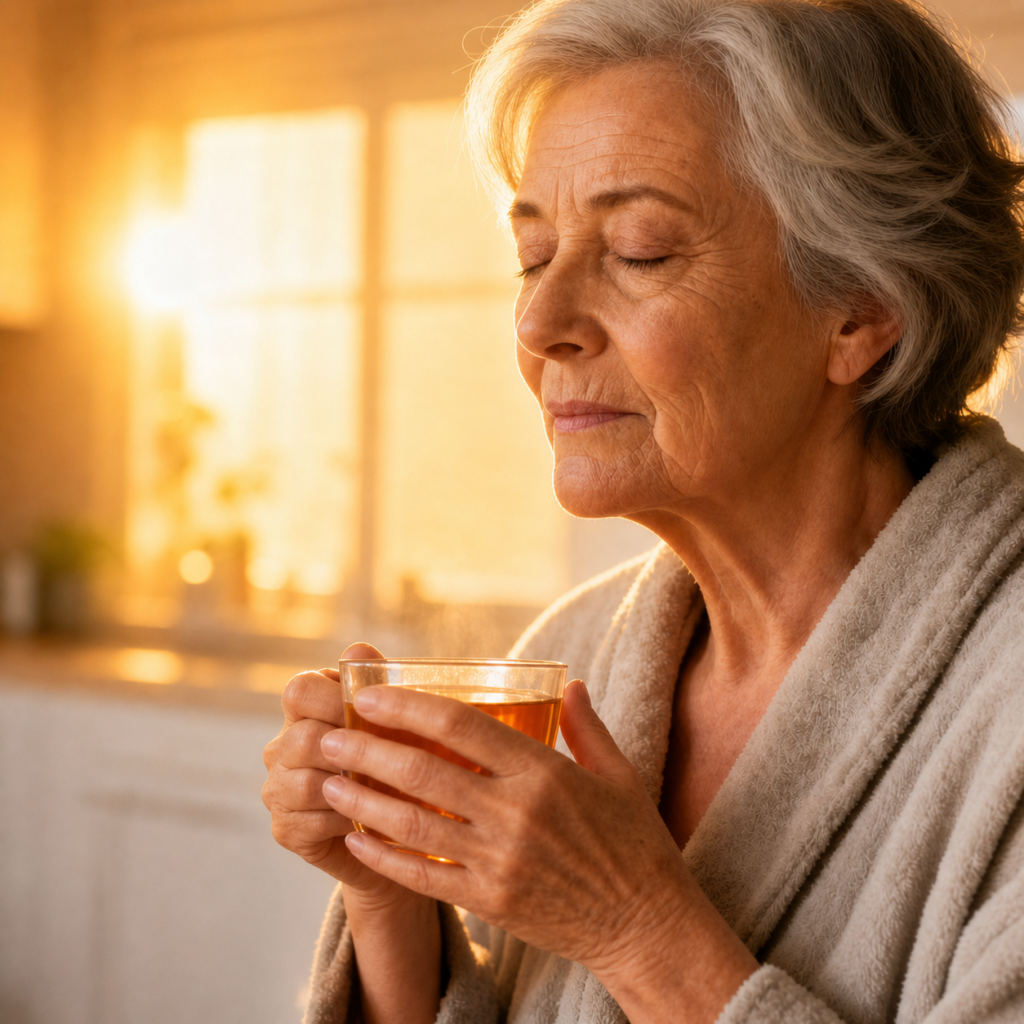
It is one of the loneliest feelings in the world. You drag yourself through the day, limbs heavy, motivation low, sleeping poorly even though you are exhausted. You finally visit your doctor, hoping for answers. The bloodwork comes back. Everything looks normal. You are told to get more rest, maybe exercise, and sent home with a handshake.
But you still feel off. You still feel tired, heavy, and sluggish. And now you wonder if it is all in your head.
I want to tell you something important: it is not in your head. There is a vast space between disease and vibrant wellness where too many adults over fifty-five live quietly. That space is shaped by lifestyle, not pathology, and it deserves attention.
The Gray Area of Modern Wellness
Medical tests are designed to detect illness. They are not always calibrated to measure vitality. You can have normal results and still be depleted by poor sleep quality, low-grade inflammation from processed foods, shallow breathing, and a nervous system that never fully shuts down. This is where healthy aging habits become essential. They address the lifestyle terrain that tests often miss.
Contributing Factors That Fly Under the Radar
Hidden inflammation
Diets high in refined oils, sugars, and processed meats can create a background hum of internal irritation that drains energy without causing a diagnosable disease.
Lymphatic stagnation
Sitting for hours slows the body’s waste-removal systems, leading to puffiness, heaviness, and fatigue.
Emotional load
Caregiving, grief, financial stress, and loneliness are exhausting. They do not show up on a standard blood panel.
Poor sleep architecture
You might be in bed for eight hours, but if deep sleep and REM are fragmented, your body wakes unrestored.
Dehydration disguised as hunger
Many adults confuse thirst with fatigue, reaching for food when water is what cells crave.
Habits That Restore a Sense of Lightness
Heaviness is often the body asking for flow. Gentle daily walks support lymphatic movement and circulation. Reducing ultra-processed foods lowers the inflammatory burden. Creating a sleep sanctuary, dark and cool, invites deeper rest. And hydration, always hydration, is the underestimated hero of natural energy support.
Another quiet factor is rhythm. The body loves predictability. Eating, sleeping, and moving at roughly the same times each day reduces the metabolic energy spent on adaptation.
How a Daily Tea Ritual Supports the Subtle Shift
When everything feels heavy, the idea of a big lifestyle overhaul can feel impossible. That is why a tea ritual for adults is so powerful. It is small. It is warm. It is comforting without demanding much of you.
Anti-inflammatory blends containing turmeric, ginger, or green tea offer plant compounds that have been traditionally used to support comfort and mobility. More importantly, the ritual of brewing and sipping creates a boundary in your day. It says: this is my moment. For adults who feel unseen by their test results, that moment of self care is a gentle reclaiming of agency.
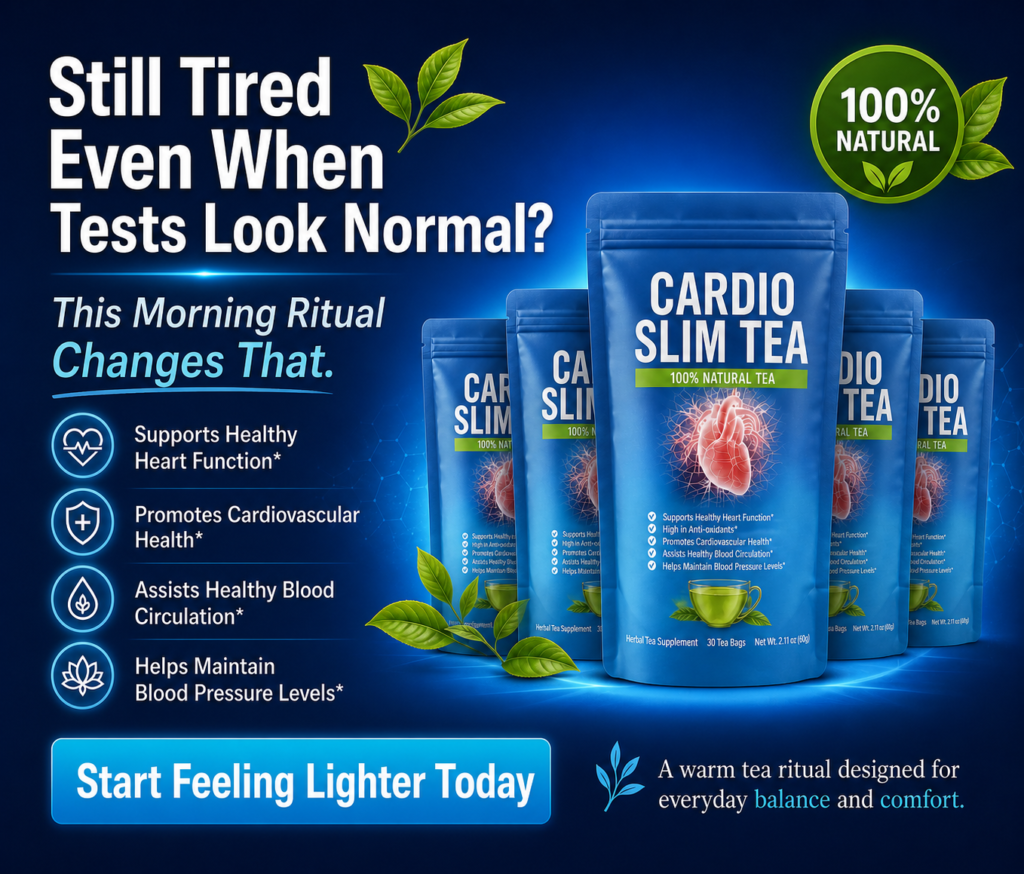
One small habit thousands of women over 55 swear by…
Frequently Asked Questions
Should I push through fatigue if my tests are normal?
Pushing through rarely helps. Instead, experiment with one lifestyle change at a time, such as better hydration or an earlier bedtime, and track how you feel.
How is this different from depression?
Persistent fatigue and low mood can overlap. If you are also experiencing loss of interest in things you once loved, speak with a mental health professional. Lifestyle support and emotional support can work together.
Will diet changes help immediately?
Some people feel lighter within days of reducing processed foods. For others, it takes weeks. The body recovers on its own timeline.
Are there tests that do capture these issues?
Some functional tests look deeper, but they are not always covered or necessary. Many adults find that lifestyle adjustments bring relief before they ever get advanced testing.
Conclusion
Feeling sluggish without a clear medical cause does not mean you are broken. It means you are human, living in a modern world that asks too much and restores too little. Start with the simplest possible acts: water, a short walk, and a warm cup of tea in the afternoon. These are not cures. They are invitations. And sometimes, the right invitation is all your body needs to begin remembering how to feel light again.